
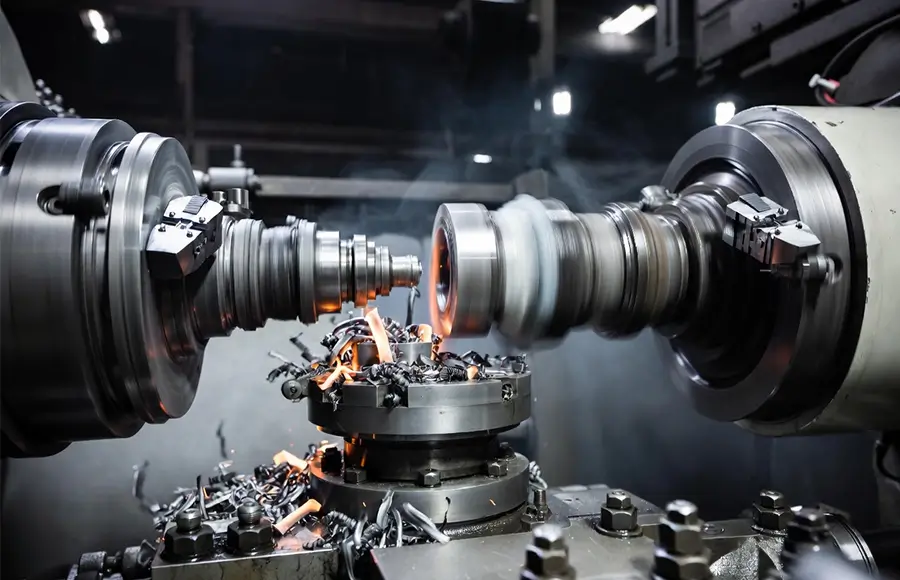
At Progressive Turnings, we’ve seen the same story play out hundreds of times: a customer sends over a part that looks great on paper, but the first quote comes back higher and slower than expected. Nine times out of ten, the difference between a painful quote and a competitive one comes down to Design for Manufacturability CNC, or DFM. When parts are designed with CNC machining in mind from the start, both cost and lead time improve dramatically.
DFM is the practice of designing parts specifically so they machine efficiently on CNC equipment. Done right, it can cut total cost by 20–40% (sometimes more) and shave days off lead times — all before we ever load material or start the spindle.
In this guide we’ll show you exactly how DFM works in real precision machining, the biggest hidden cost drivers, and how our team helps customers win with smarter designs from the very first quote.
Table of Contents
What Is Design for Manufacturability (DFM) in CNC Machining?
Design for Manufacturability (DFM) means optimizing your part’s geometry, features, tolerances, and material choices for the actual CNC processes that will make it. It’s not about compromising performance — it’s about making the design “machinist-friendly” so we can produce it faster, more accurately, and with less waste.
Think of it like giving your part a pre-production makeover. Small changes in radii, hole placement, or tolerance callouts often deliver massive improvements in cost and speed.

How Can DFM Principles Help You Cut CNC Machining Costs Before Production Even Starts?
The biggest savings almost always happen before the first chip flies. Here’s how DFM delivers real results:
- Fewer setups = dramatically lower labor and machine time
- Better tool access = faster cycle times and standard tooling
- Optimized material removal = less waste and shorter runs
- Smart tolerances = less inspection time and lower scrap risk
We regularly help customers take parts from 18-minute cycle times down to under 7 minutes just by applying DFM before production begins. On higher volumes or lights-out jobs, those savings multiply fast.
What Common Design Features Drive Up CNC Part Prices the Most?
These are the usual suspects we see on drawings that quietly inflate quotes and lead times:
| Design Issue | Typical Cost Increase | Lead Time Impact | Simple DFM Fix |
|---|---|---|---|
| Sharp internal corners (0 radius) | +15–30% | +1–3 days | Add minimum 0.030″ radius |
| Deep narrow pockets or slots | +10–25% | +1–2 days | Shorten depth or widen where possible |
| Overly tight tolerances on non-critical features | +20–50% | +2–5 days | Apply tight tolerances only to CTQ features |
| Thin unsupported walls | +10–20% | +1–2 days | Increase thickness or add ribs |
| Features requiring custom or long tooling | +15–40% | +2–4 days | Redesign for standard tool access |
Most of these issues have simple, low-risk fixes once you know what to look for. That’s why we include a free DFM review with every quote.
How Do Setup Reductions and Tool Access Improvements Lower Lead Times?
Lead time is often more about how many times we touch the part than raw machining time. Every extra setup adds programming, fixturing, first-article inspection, and queue time.
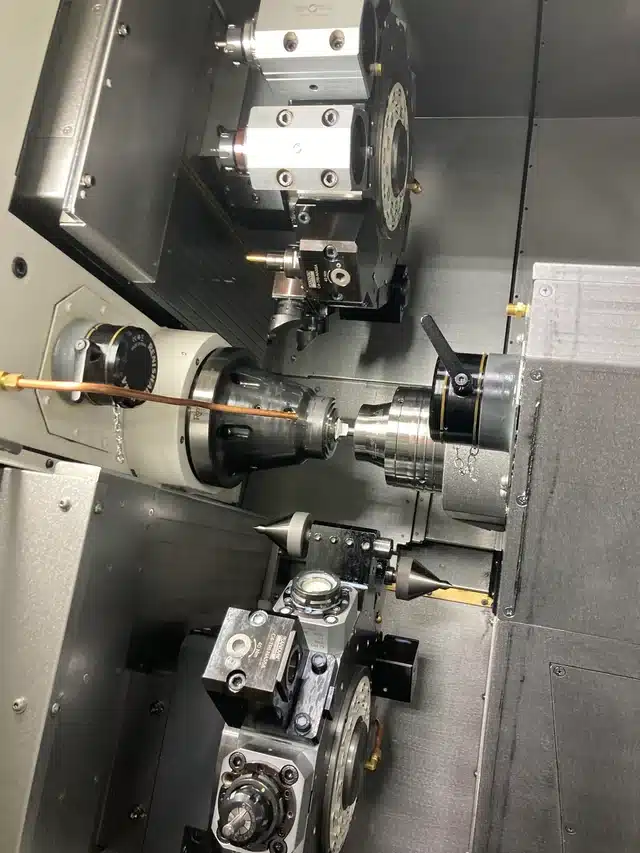
When your design lets us machine more features in one or two setups (especially on our multi-turret lathes or Swiss machines), the whole job moves faster — often enabling lights-out or minimally attended runs.
Why Do Tight Tolerances and Complex Geometries Increase Both Cost and Risk?
Tight tolerances force slower speeds, more frequent tool changes, extra in-process checks, and longer CMM inspection time. Complex geometries often require multiple setups or special workholding — each extra touch increases risk and cumulative lead time.
Smart DFM rule: Apply truly tight tolerances only where function demands it. Everything else can usually relax to standard, achievable values.
How Does Choosing the Right Material Play into Effective DFM Strategy?
Material choice affects machinability, burr formation, achievable tolerances, tool life, and surface finish. A design that works beautifully in aluminum can become expensive and slow in stainless or titanium.
Good DFM considers machinability rating, standard stock sizes, thermal behavior, and how the material interacts with your required finishes. We often suggest small material or geometry swaps that maintain performance while cutting cost and lead time significantly.
What Role Does Early Collaboration with Your CNC Partner Play in Successful DFM?
This is where the biggest wins happen. The earlier we see your design, the more value we can add. We can suggest geometry changes, recommend standard features our machines love, help choose the best material and process route, and catch issues before they become expensive problems.
We treat DFM as a true partnership — our goal is to make your part the easiest, most cost-effective version of itself.
How Does Progressive Turnings Apply DFM to Help Customers Succeed from Prototype to Production?
Because we control the entire process in-house (Swiss, multi-turret turning, milling, and full Zeiss CMM inspection), we understand what actually works on the shop floor across both prototype and high-volume runs.
Every quote includes a DFM review. We look at setups, tool access, opportunities to consolidate features, tolerance stack-ups, and how the part will perform in lights-out production. We then return specific, actionable recommendations — often with marked-up drawings — so you can see the savings clearly.
What Simple DFM Checklist Can You Use on Your Next CNC Project?
| ✅ DFM Checklist Item | Why It Matters |
|---|---|
| Can features be combined to reduce setups? | Fewer setups = lower cost and faster lead time |
| Are internal radii at least 0.030″? | Allows standard tooling and faster machining |
| Are tight tolerances only on critical features? | Avoids unnecessary inspection and scrap risk |
| Is there good tool access to every feature? | Enables standard tools and reliable cycle times |
| Is the material optimized for both performance and machinability? | Better cycle times and lower tooling cost |
| Have I considered fixturing and inspection? | Reduces risk and hidden costs later |
Even running through half of these questions usually uncovers meaningful improvements.
Because when it comes to CNC machining, the best time to save money and lead time is before the first chip ever flies.
At Progressive Turnings we don’t just machine parts — we partner with you to make them better, faster, and more cost-effective. Our in-house capabilities and collaborative approach mean your designs get real DFM attention from day one.

Ready to put these principles to work?
Send us your drawing or 3D model today for a complimentary DFM review and quote. We typically respond within 24 hours and are happy to walk through specific optimization recommendations with your team.
👉 Contact Progressive Turnings or upload your files directly.
Let’s make your next CNC part the easiest and most profitable one yet — starting with smart design.
Key Points
- DFM done early can reduce CNC machining costs by 20–40% and shorten lead times.
- The biggest savings come from fewer setups, better tool access, and realistic tolerances.
- Sharp internal corners, deep pockets, and overly tight non-critical tolerances are the most common cost drivers.
- Good DFM makes lights-out and high-volume production more reliable and efficient.
- Early collaboration with your CNC partner is the fastest way to find optimization opportunities.
- Applying DFM principles before the first chip flies almost always delivers better results than trying to fix the design later.
References
Progressive Turnings Resources
[1] From Prototype to Production: Supporting Innovation at Every Stage
[2] Unlocking Potential with Lights-Out Machining
[3] Investing in Precision: Our Commitment to Quality
Industry Guidelines
[4] SME – Design for Manufacturability Guidelines
[5] ISO 9001:2015 Quality Management Systems