
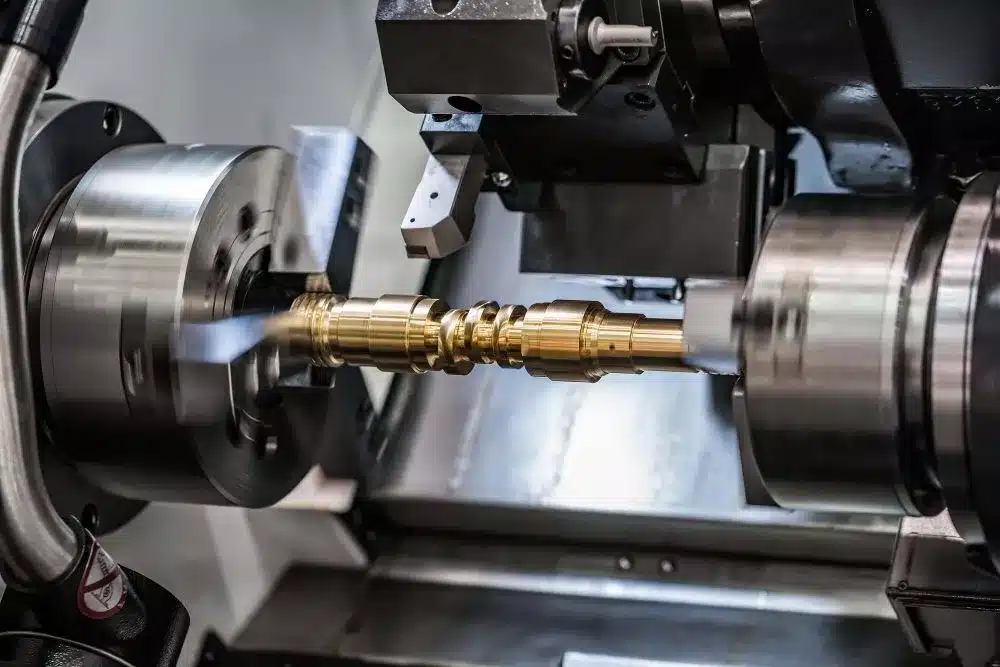
Welcome to the World of Lights-Out Machining
Lights-out machining is rapidly becoming one of the most transformative innovations in modern manufacturing. Also known as unattended machining, it allows CNC equipment to run automatically without operator supervision—often overnight or across entire weekends.
This concept isn’t just a futuristic vision anymore; it’s happening now in shops across the country, improving efficiency, reducing costs, and pushing production further. In this article, we’ll break down how lights-out machining works, what technologies enable it, and how it fits into the larger narrative of Industry 4.0 and precision manufacturing’s exciting future.
Table of Contents
From Manual Labor to Midnight Runs
The idea of machines working while humans rest has existed for decades, but only recently has it become reliable and scalable. Early attempts at unattended machining were plagued by tool failures, crashes, and inconsistent outcomes.
Thanks to advances in sensors, software, and smart tooling, lights-out systems are now more predictable than ever. Machine shops that once relied on human labor around the clock can now let machines operate autonomously overnight, vastly increasing spindle utilization without adding overhead.
The Technology That Makes It Possible
Today’s lights-out operations depend on a suite of enabling technologies. CNC machines are now paired with automatic tool changers, robotic part loaders/unloaders, bar feeders, and advanced coolant systems to run safely while unattended.
Monitoring systems, like vibration sensors and spindle load analysis, act as the machine’s eyes and ears. If something goes wrong, the machine can halt or alert personnel remotely. Cameras and software even allow real-time mobile notifications and performance tracking, increasing confidence in extended runtimes.

Why Unattended Machining Matters
The benefits of lights-out machining are impressive and measurable. The most obvious is efficiency—machines that operate during off-hours drastically increase productive time without needing additional labor.
For shops dealing with tight margins and high-volume orders, this translates to more output with less cost. It also reduces lead times, improves scheduling flexibility, and gives customers quicker turnarounds. In a competitive market, these advantages can be the difference between keeping or losing a client.
A Look at the Risk Factors
Despite the many benefits, lights-out machining comes with its own set of risks. Without human operators present, even a minor issue like tool breakage or material misalignment can cause scrap or worse, machine damage.
That’s why successful implementation depends on rigorous setup, reliable automation systems, and intelligent software. Shops need to conduct preventive maintenance and extensive test runs before leaving machines unsupervised. Risk doesn’t disappear—it’s just managed differently.
Popular Applications of Unattended Machining
Industries that demand precision, repeatability, and volume have quickly embraced lights-out systems. Aerospace parts, medical components, and automotive housings are often produced using lights-out machining due to the high quality and consistency required.
These industries benefit from predictable part geometry, short cycle times, and the ability to meet tough regulatory or quality demands. As smaller manufacturers adopt this method, more industries—from home appliance to agricultural equipment—are beginning to follow.

The Role of Skilled Labor in an Automated Shop
Lights-out machining doesn’t eliminate jobs—it reshapes them. Skilled machinists are still crucial for programming, setup, quality control, and process optimization. In fact, automation often elevates the role of the operator into a more technical and strategic position.
Operators now spend more time problem-solving and less time babysitting the machine. Shops that invest in cross-training and upskilling can better align human intelligence with automated execution—bringing out the best of both worlds.
Lights-Out Machining at Progressive Turnings
At Progressive Turnings, automation is more than a buzzword—it’s a reality. Leveraging CNC technology with built-in sensors, robotic part handling, and advanced process controls, they continue to expand their lights-out capabilities for both prototype and high-volume work.
With machines running after hours and a dedicated team ensuring everything is dialed in, Progressive Turnings reduces turnaround times while keeping quality consistent. It’s a win-win for customers seeking both speed and precision.
How to Get Started with Automation
Shops curious about adopting lights-out strategies should start small. Look for parts that are low risk, easy to fixture, and have predictable cycle times. Set up the job during the day, monitor the first few runs, and incrementally build confidence.
Investing in tool monitoring systems, backup tooling, and offsite alerts ensures that things don’t go awry in the middle of the night. Many shops also use simulation software to test programs virtually before putting them on the floor.

Lights Out, Output Up: The Final Word
Lights-out machining represents a shift in how we think about production, labor, and time. It’s not just about doing more—it’s about doing better, smarter, and more efficiently. For manufacturers willing to evolve, this approach unlocks the next level of productivity.
As more companies embrace digital transformation, lights-out machining becomes less of a competitive edge and more of a new standard. It’s not the end of craftsmanship—it’s the future of it.